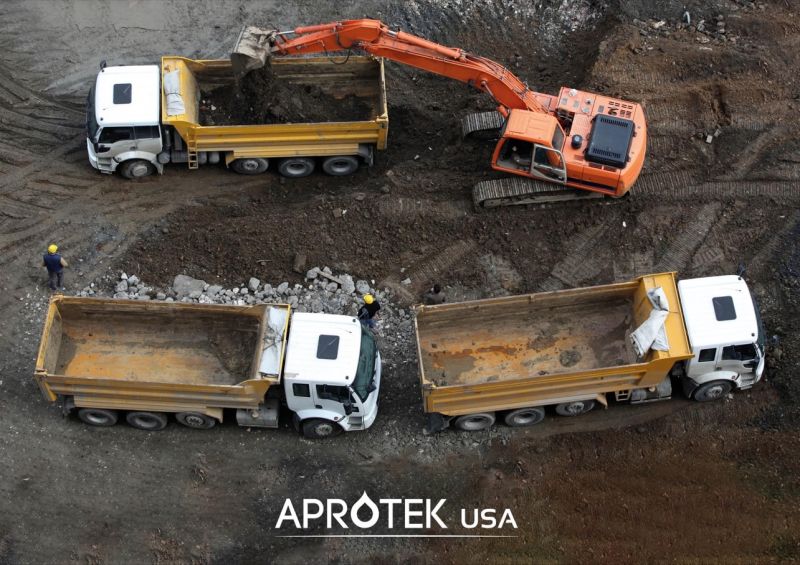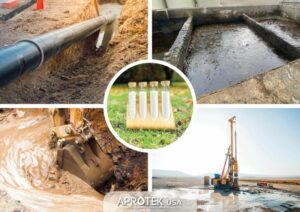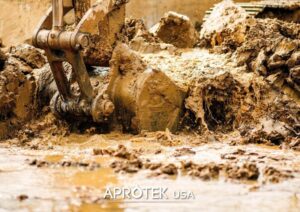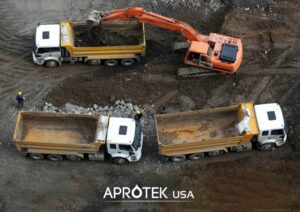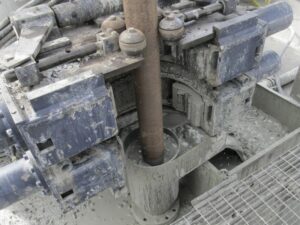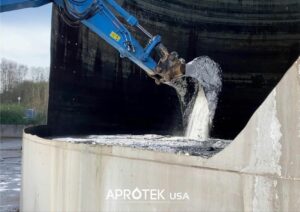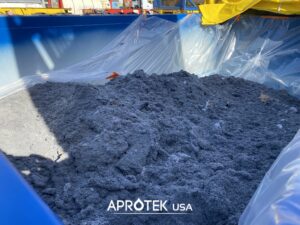
In civil engineering as well as in industry, the management of excavated material and slurry has become a major technical, logistical, and environmental challenge. Today, most earthwork, drilling, or industrial processing activities generate large volumes of excavated material that must be packaged, transported, recycled, or disposed of through appropriate channels.
Why Sludge Dewatering Has Become a Critical Issue for Construction and Industrial Projects
Every excavation project produces wet spoil, slurry, or sludge. While removing these materials may seem like a routine part of construction, improper handling can quickly become one of the biggest obstacles to productivity, regulatory compliance, and project costs.
From heavy civil construction to industrial facilities, contractors are facing increasing pressure to reduce waste, improve recycling rates, and minimize environmental impacts. As a result, efficient sludge dewatering is no longer an optional step—it has become an essential part of modern project management.
Wet Excavated Materials Create More Problems Than Most Contractors Expect
Construction projects generate many different types of wet materials, including:
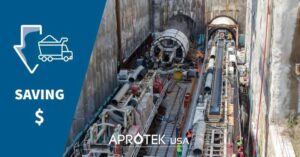
- Tunnel boring machine (TBM) spoil
- Drilling mud
- Geothermal drilling waste
- Diaphragm wall slurry
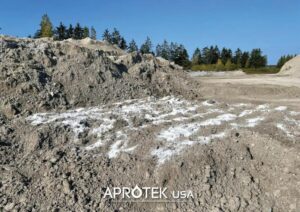
- Excavated soils with high moisture content
- Concrete washout slurry
- Industrial process sludge
- Biological sludge from wastewater treatment plants
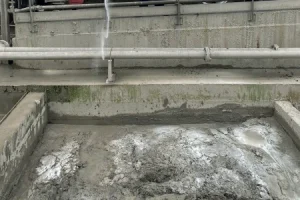
- Sediments from retention ponds, lagoons, mines, and quarries
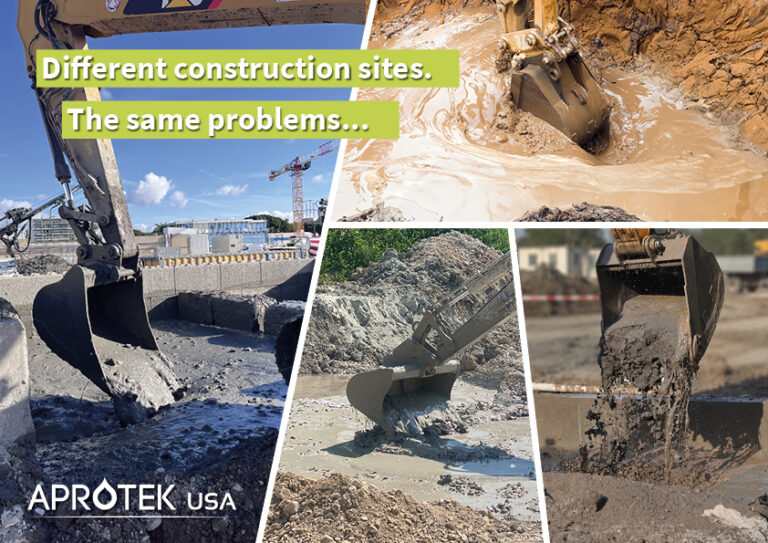
Although these materials differ in composition, they often create the same operational challenges.
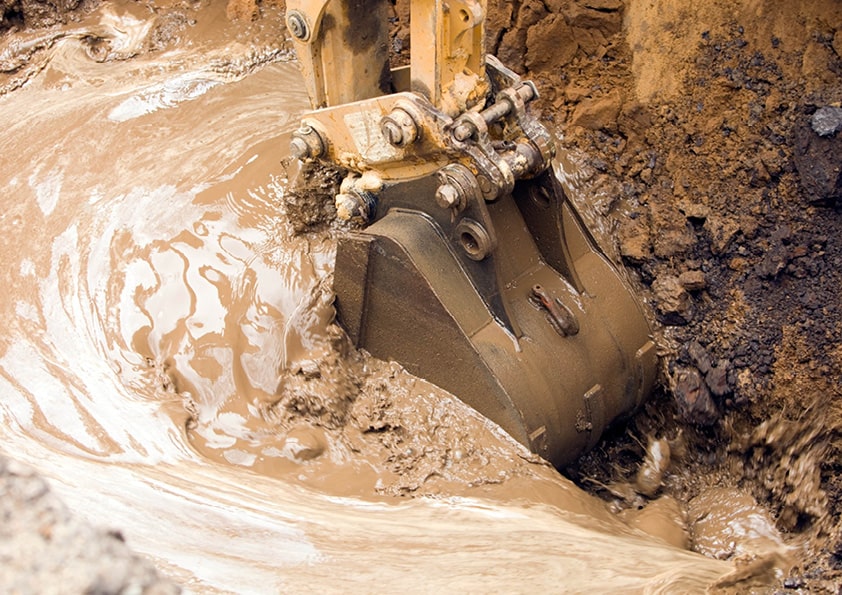
Excess moisture makes loading difficult, transportation inefficient, and disposal more expensive. Trucks cannot be fully loaded, materials may leak during transport, and recycling facilities frequently reject waste that contains too much free water.
Without proper conditioning, contractors often experience project delays, increased hauling costs, and additional environmental risks.
Dewatering Improves the Entire Waste Management Process
Removing excess water from sludge is not simply about making it easier to transport.
Effective dewatering helps stabilize materials so they can be safely handled, loaded, stored, recycled, or disposed of according to local environmental regulations.
By reducing water content before transportation, contractors can:
- Improve jobsite cleanliness
- Reduce truck movements
- Lower transportation costs
- Increase productivity
- Facilitate recycling or beneficial reuse
- Simplify overall waste management
For many projects, proper sludge conditioning directly contributes to both operational efficiency and environmental performance.
APROMUD®: Fast Conditioning for Wet Sludge and Excavated Materials
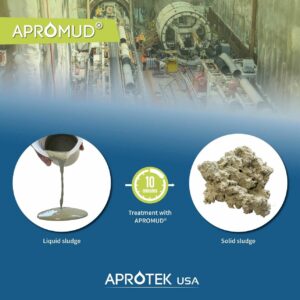
APROMUD® is APROTEK’s range of sludge conditioning products developed specifically for construction, civil engineering, environmental, and industrial applications.
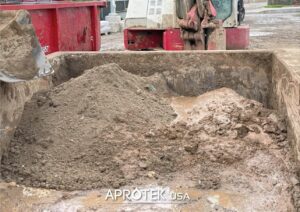
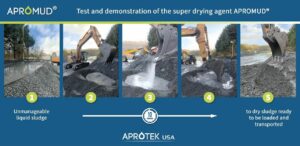
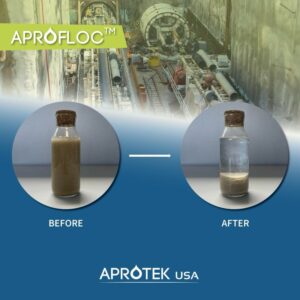
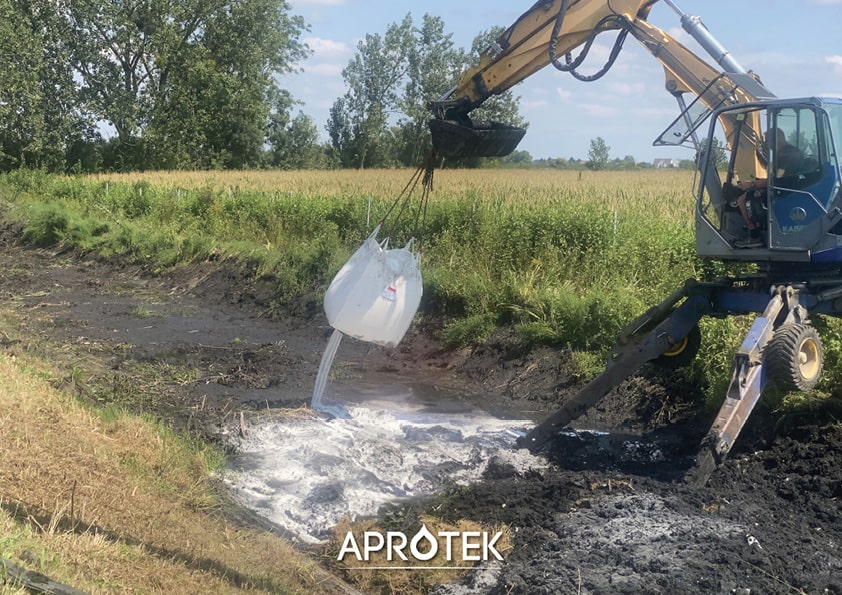
Instead of waiting for natural drying or relying on complex mechanical equipment, APROMUD® rapidly converts unstable wet materials into a firm, workable product that can be handled within minutes.
The solution is suitable for numerous applications, including:
- TBM excavation spoil
- Horizontal directional drilling (HDD)
- Geotechnical drilling
- Geothermal projects
- Special foundations
- Concrete slurry
- Industrial sludge
- Wastewater treatment sludge
- Mining and quarry settling ponds
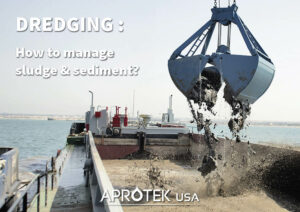
- Dredging operations
Its versatility makes it an effective solution across multiple industries where wet waste management is a daily challenge.
Fast Results With Minimal Product Usage
One of APROMUD®’s main advantages is its efficiency.
Depending on the characteristics of the material being treated, application rates generally range between 2 and 12 kg per cubic meter.
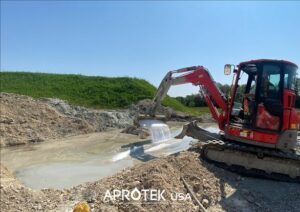
After mixing, moisture reduction begins almost immediately, allowing operators to obtain a stable, transportable material in approximately 15 minutes.
This rapid treatment helps avoid production interruptions and keeps equipment operating without unnecessary downtime.
Designed for Safe Jobsite Operations
Safety remains a priority on every construction project.
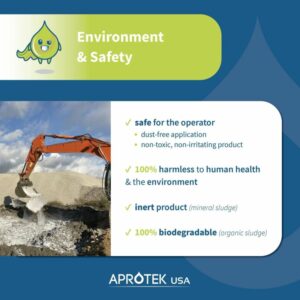
Unlike some traditional drying agents, APROMUD® is designed for easy application with minimal dust generation. The product does not create exothermic reactions during use, eliminating burn risks commonly associated with certain alternative technologies.
Once treated, sludge becomes significantly easier to load and transport, reducing spills, mud tracking, and housekeeping issues around the site.
Cleaner operations also contribute to safer working conditions for both crews and surrounding communities.
Lower Transportation and Disposal Costs
Wet sludge is expensive to move because contractors often pay to transport water instead of usable material.
By increasing material consistency and reducing free water, APROMUD® allows trucks to be loaded more efficiently while reducing the number of trips required.
These improvements translate into:
- Lower hauling costs
- Better equipment utilization
- Reduced fuel consumption
- Higher overall site productivity
For large infrastructure or industrial projects, these savings can become substantial over the course of construction.
Compatible With Existing Treatment and Recycling Processes
Conditioning sludge should not limit future disposal or recovery options.
APROMUD® is formulated so that it does not modify the chemical characteristics of treated materials. Contractors remain free to direct conditioned sludge toward approved recycling, recovery, or disposal channels without introducing additional processing constraints.
This flexibility simplifies compliance with local waste management requirements.
Supporting More Sustainable Construction Practices
Environmental performance has become a major factor in today’s construction industry.
Reducing unnecessary transportation, improving recycling opportunities, and limiting the use of virgin raw materials all contribute to lower project emissions.
APROMUD® supports these objectives through a circular economy approach. Its active component is sourced from recycled materials, helping reduce resource consumption while supporting more sustainable waste management practices.
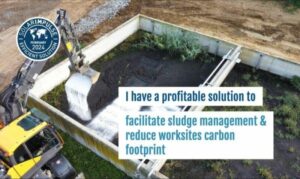
The technology has also received the Solar Impulse Efficient Solution Label, recognizing solutions that combine environmental benefits with proven economic and technical performance.
Why Contractors Choose APROMUD®
Construction professionals rely on APROMUD® because it helps them:
- Stabilize wet sludge in minutes
- Improve handling and transportation
- Reduce hauling and disposal costs
- Keep jobsites cleaner and safer
- Maintain productivity without waiting for natural drying
- Support recycling and environmental compliance
- Treat both mineral and organic sludge efficiently
A Practical Solution for Modern Construction Projects
Whether managing tunnel excavation, drilling operations, wastewater treatment sludge, industrial by-products, or dredged sediments, contractors all face the same objective: transform unstable wet waste into a material that can be safely managed as quickly as possible.
APROMUD® delivers a practical, efficient, and environmentally responsible solution that helps construction and industrial professionals control costs, improve logistics, and simplify sludge management from the moment excavation begins.