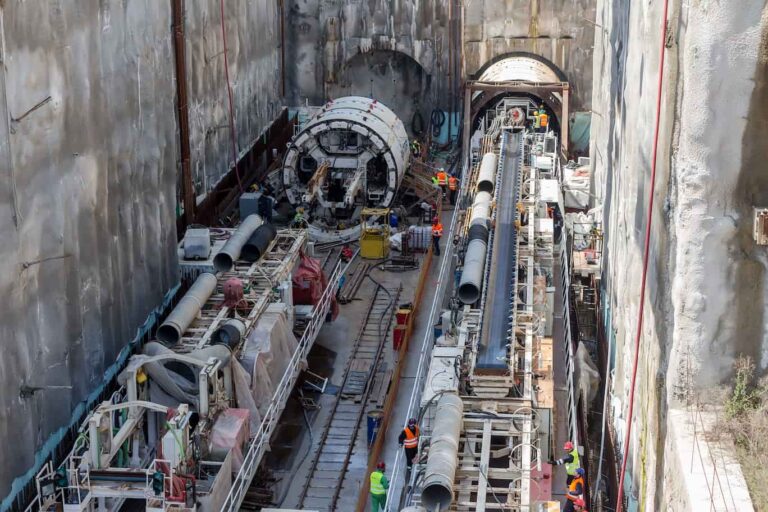
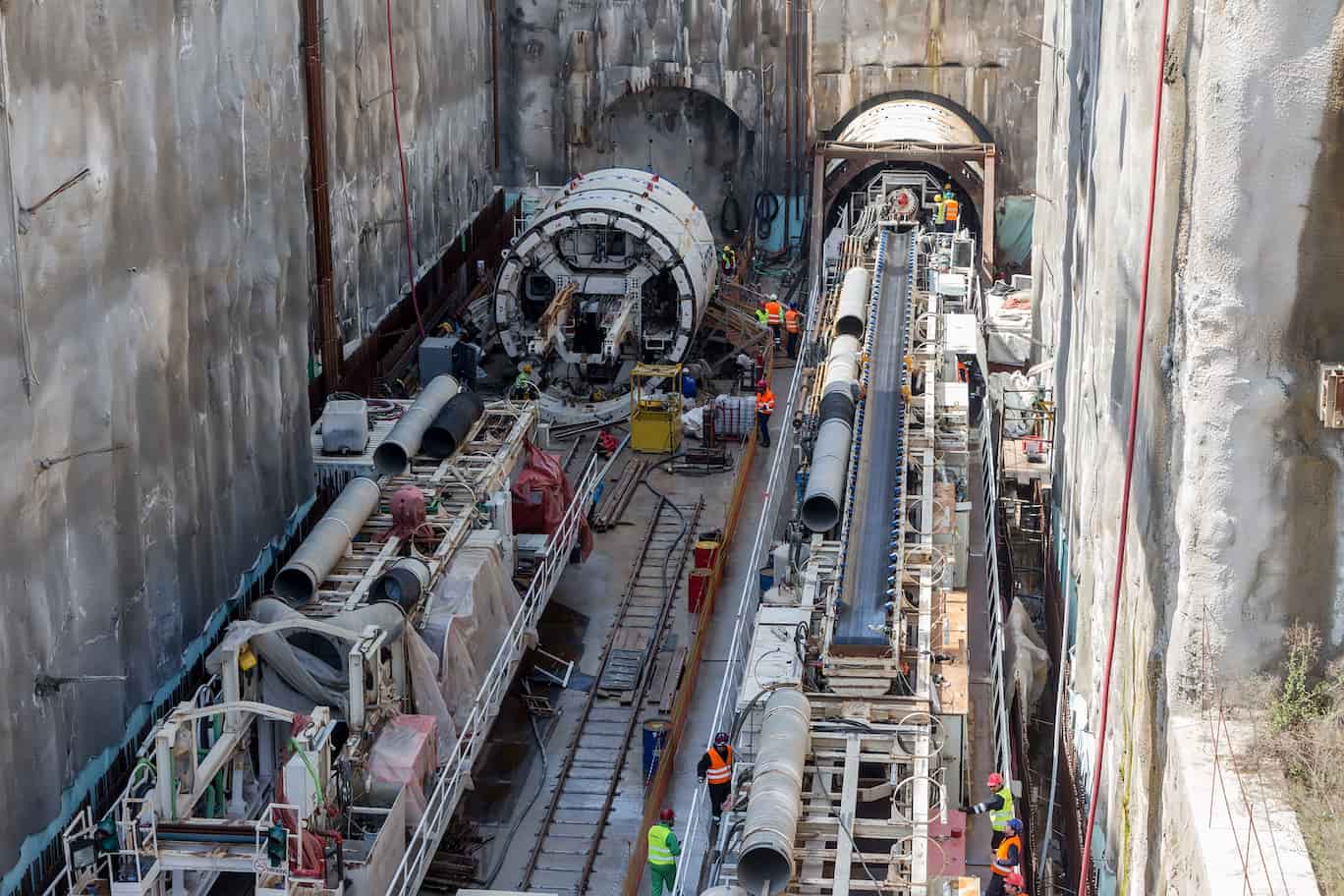
Modern TBM Projects Face Growing Slurry Management Challenges
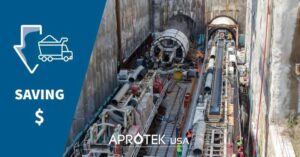
Large-scale underground infrastructure projects rely heavily on tunnel boring machines (TBMs) to maintain production schedules while minimizing disruption at the surface. However, one operational challenge continues to impact project efficiency worldwide: the management of high-water-content drilling slurry and excavated spoil.
As metro networks expand and urban tunneling projects become more complex, contractors must find effective ways to handle liquid spoil without slowing excavation rates or increasing transportation costs.
The recent Porto Metro expansion in Portugal provides an excellent example of how innovative slurry treatment technologies can support productivity, safety, and environmental performance on major tunneling projects.
Why Slurry Dewatering Is Critical for TBM Operations
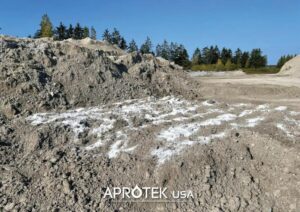
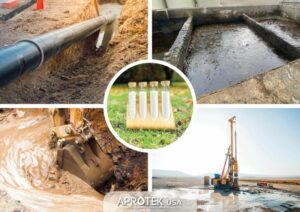
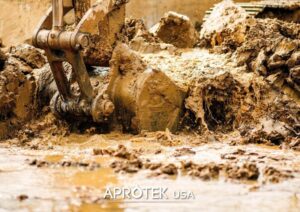
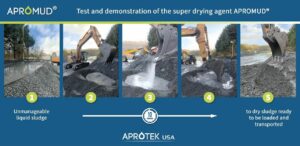
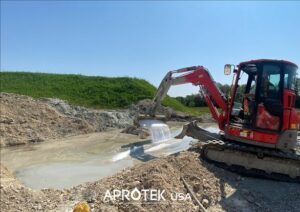
Tunnel boring machines generate significant volumes of excavated material mixed with water and fine mineral particles. This slurry often contains excessive moisture, making it difficult to transport and dispose of efficiently.
Without proper treatment, contractors may face:
- Reduced spoil removal capacity
- Increased truck movements
- Material leakage during transport
- Site cleanliness issues
- Delays affecting TBM advance rates
- Higher disposal costs
Maintaining a continuous flow of spoil removal is essential to prevent bottlenecks that can negatively impact overall project schedules.
Porto Metro Extension: A Real-World Example
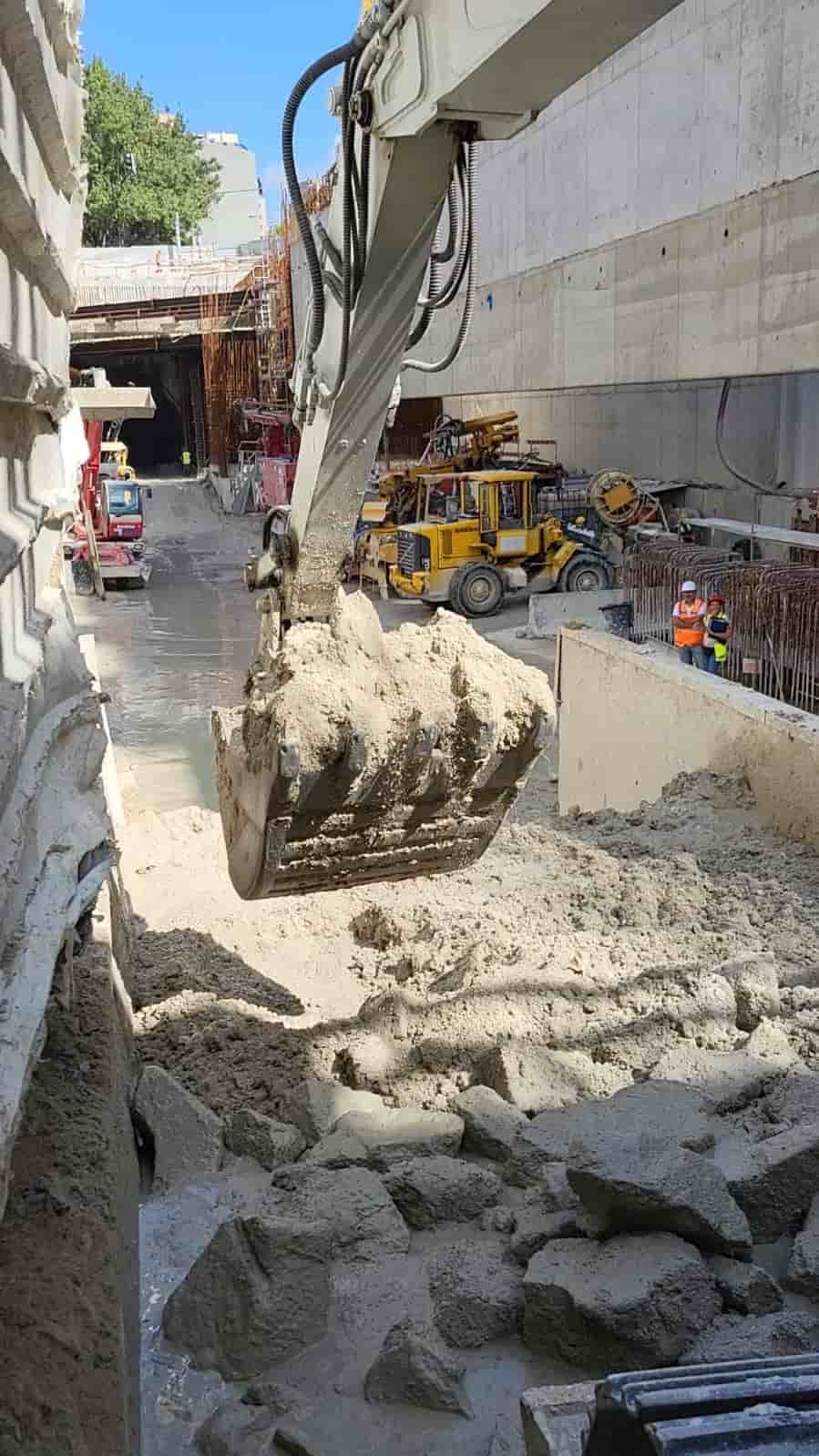
During the extension of the Porto Metro network, more than 12,000 cubic meters of drilling slurry required treatment over a two-month period.
Project teams needed a solution capable of rapidly transforming liquid spoil into stable material suitable for handling and transport. At the same time, strict deadlines, transportation logistics, and environmental requirements demanded a treatment process that could operate directly within existing site workflows.
Moving Beyond Traditional Lime-Based Treatments
Historically, many contractors have relied on lime or mineral binders to reduce slurry moisture.
While these methods can be effective, they often require high dosage rates, increase final waste volumes, and may require longer reaction times before spoil can be transported.
New generations of superabsorbent polymer technologies offer a different approach by targeting water directly within the slurry matrix.
Superabsorbent Polymer Technology Explained
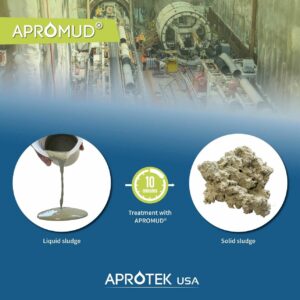
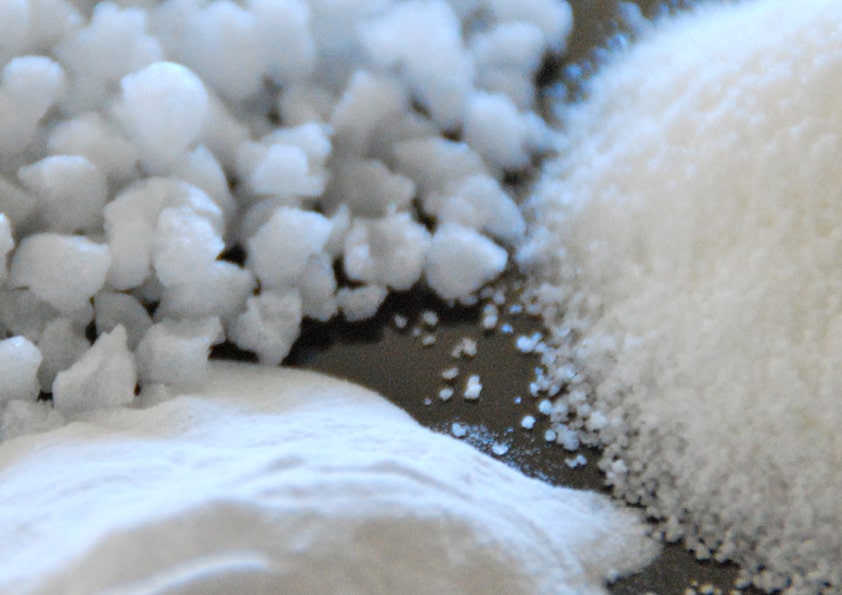
Superabsorbent polymers have the unique ability to absorb and retain large quantities of water almost instantly.
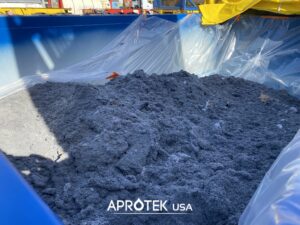
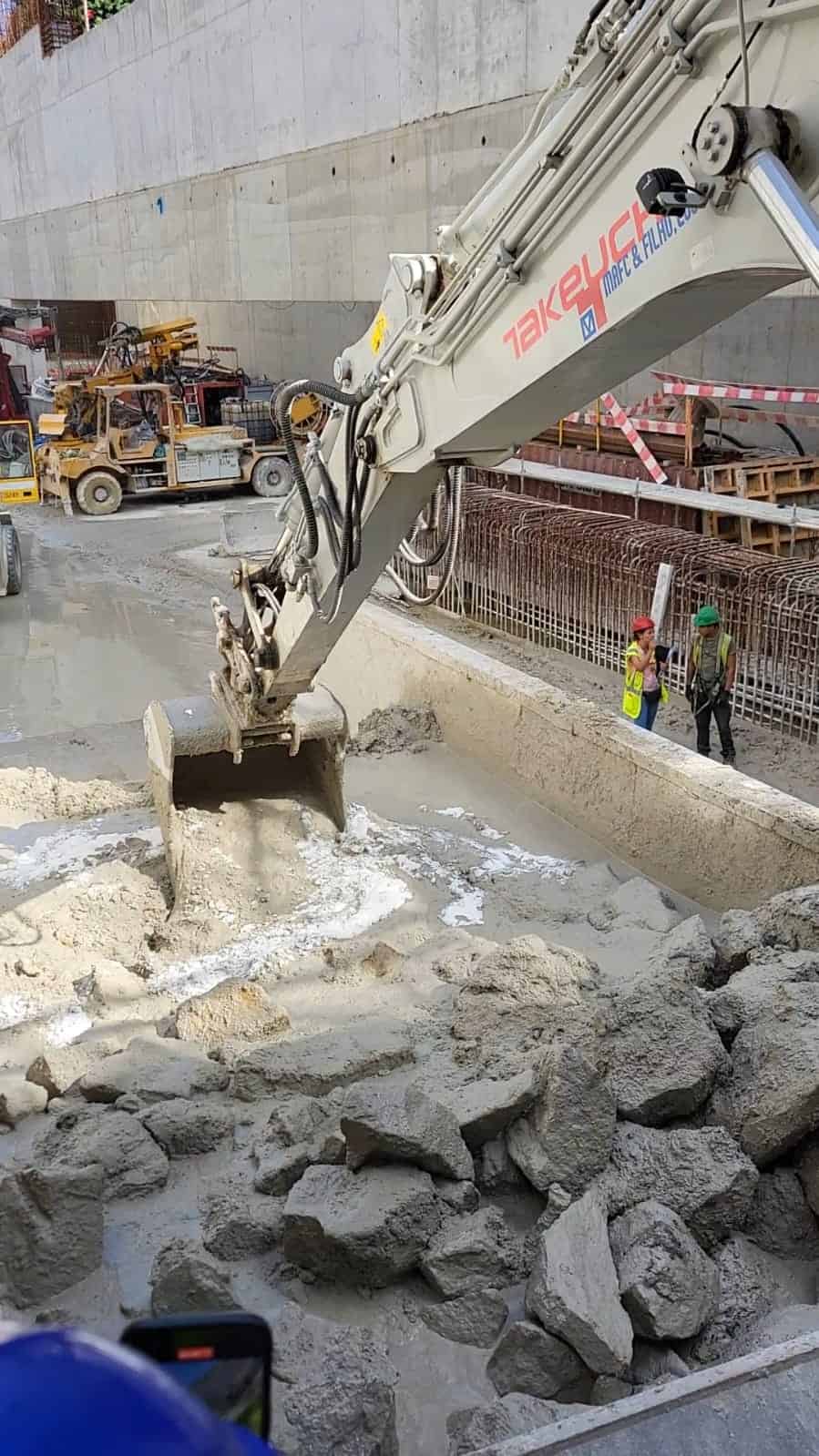
When incorporated into drilling slurry, the polymers rapidly capture moisture and transform unstable liquid material into a cohesive mass that can be safely handled and transported.
This approach delivers several operational advantages:
- Immediate reaction upon contact with water
- Reduced waiting times before disposal
- Low product consumption rates
- No heat generation during treatment
- Neutral pH characteristics
- Compatibility with existing waste management processes
These characteristics make polymer-based treatment particularly attractive for demanding tunneling environments where production continuity is essential.
Improving Logistics and Transportation Efficiency
One of the most significant benefits of rapid slurry dewatering is the improvement of transportation logistics.
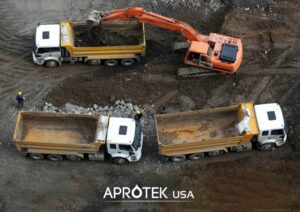
Once treated, spoil can be loaded more efficiently into trucks, reducing the risk of leakage and minimizing contamination of nearby roads.
On the Porto Metro project, optimized spoil management contributed to:
- A reduction in truck movements
- Lower transportation distances
- Reduced fuel consumption
- Lower CO₂ emissions
- Improved site cleanliness
These gains demonstrate how slurry treatment can influence not only excavation performance but also broader project sustainability objectives.
Supporting Safer Construction Sites
Safety remains a primary concern on all underground construction projects.
Modern polymer-based dewatering solutions provide an additional advantage by eliminating many of the handling issues associated with traditional treatment products.
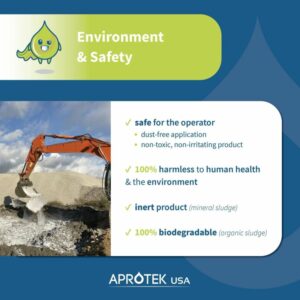
Because the material is inert, non-exothermic, and pH neutral, operators can apply the product without exposure to aggressive chemical reactions or excessive dust generation.
The resulting treated spoil is easier to manage, reducing risks during loading, transport, and disposal operations.
Sustainability Considerations in Modern Tunneling
As environmental regulations become increasingly stringent, contractors are under pressure to reduce the carbon footprint of infrastructure projects.
Advanced slurry treatment technologies can contribute to sustainability goals by:
- Reducing transportation requirements
- Lowering greenhouse gas emissions
- Supporting waste recovery initiatives
- Limiting the need for high-volume mineral additives
- Improving overall resource efficiency
These benefits align with the growing focus on environmentally responsible construction practices across the tunneling sector.
The Future of TBM Slurry Management
The Porto Metro expansion highlights a broader trend within the underground construction industry: the adoption of innovative technologies that improve productivity while reducing environmental impact.
As projects become larger and deadlines more demanding, efficient slurry management is no longer simply a waste-handling issue—it has become a critical component of overall project performance.
Solutions based on superabsorbent polymer technology are helping contractors maintain excavation rates, improve logistics, enhance safety, and support sustainability objectives across modern tunneling operations.